A children's picture book · Ages 4–8

When Big Things Happen:
Loss of a Pet
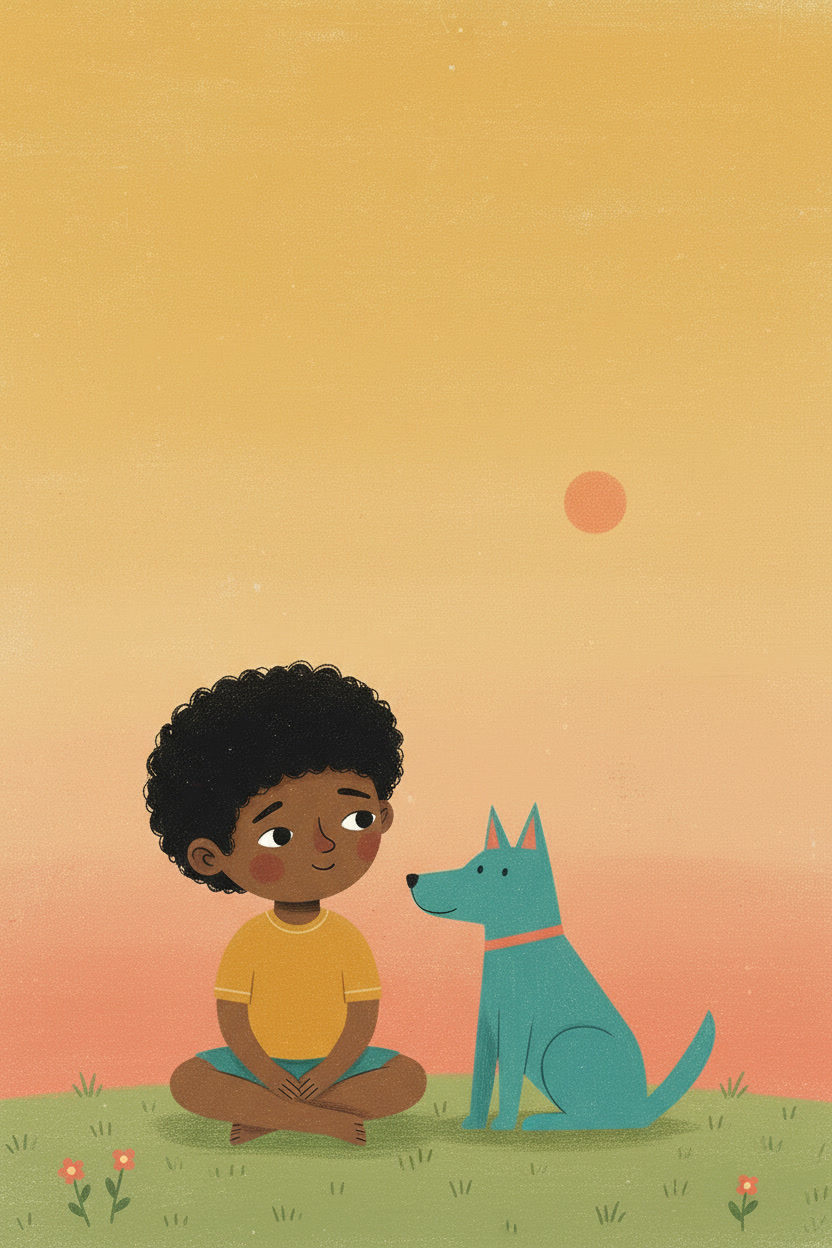
When Big Things Happen: Loss of a Pet — a boy and his dog sitting together in a warm sunset field
🌿 Free · 30-Page Guide · Book 1 in the When Big Things Happen Series

"I'm allowed to feel this much.
I'm safe."

We cannot protect children from hard feelings. What we can do is raise children who are stronger for having felt them.

Download the complete Parent Companion to When Big Things Happen: Loss of a Pet — page-by-page guidance, conversation starters, and the Move-Through Method™ to help your child process hard emotions safely and build real resilience.

🔒 No spam. Just the guide, then occasional meaningful content. Unsubscribe anytime.

💌

It's on its way!

Check your inbox for the Parent Companion Guide. If you don't see it in 2 minutes, check your spam folder.

Tonight, flip to the back of the book and read "A Note to Parents" before you begin.

📖 30 pages of guided support 🧠 Research-informed framework 💬 Word-for-word conversation scripts ⚡ Instant PDF delivery
Why this matters

Protection is not the same as prevention.

Most parents instinctively shield their children from pain. But avoiding hard emotions doesn't protect children — it teaches them that feelings are dangerous. Pet loss is often a child's first real encounter with grief — and one of the earliest tests of whether big feelings feel safe or dangerous. How they move through this one shapes how they move through all the ones that follow.

What parents usually do

"Don't cry, Biscuit is in a better place." Redirecting or reassuring too quickly teaches children their feelings are too big — or wrong.

What children actually need

A grown-up who stays steady while they feel. A signal that sadness is survivable. The experience of moving through hard feelings — not around them.

The risk of avoidance

When children learn to suppress difficult emotions early, those patterns don't disappear. They surface later as anxiety, emotional shutdown, and difficulty regulating feelings in adulthood.

The power of early support

Ages 4–8 are a critical window. Children who learn to safely process emotions early develop stronger coping skills for every hard thing that follows — grief, fear, anger, and beyond.

What you're downloading

A complete system — not just tips.

The Parent Companion is designed to be used alongside the book. Together, they create a held reading experience your child will remember — and a framework you'll use again and again.

Part I · Pages 1–15

Immediate Support

Page-by-page conversation starters for all 14 book spreads. Exact words to use — and what to avoid — when your child is in the middle of a hard feeling.

Part II · Pages 16–30

Building Resilience

The Move-Through Method™ framework. Memory rituals that honor your pet. Scripts for hard moments ("Will you die?") and a complete FAQ.

Bonus

The "What Not to Say" Guide

Seven common phrases that accidentally dismiss children's emotions — and what to say instead. Gentle, realistic, and kind to parents too.

Bonus

Memory Ritual Cards

Simple, meaningful activities to honor your pet together: a memory box, a goodbye letter, a planting ritual. Grief doesn't have to be only sadness.

The framework inside

The Move-Through Method™

Four steps that help children move through any hard feeling — safely, with you beside them. You don't need to master these. You only need to stay steady enough to guide your child through them.

1

Notice

Help them find what they're feeling. "Where does sad live in your body right now?"

2

Name

Give the emotion a word. Naming feelings activates the brain's regulatory systems.

3

Allow

Give explicit permission. "It makes complete sense to feel this. You're allowed."

4

Anchor

Ground them in safety while the feeling moves through. You become the anchor.

This is Book 1. The method travels with you.

The Move-Through Method™ is designed to scale across every big thing children face. Future books in the series will help families navigate the emotions that come with each of life's hard moments.

📖 Loss of a Pet — out now 🏥 Hospital visits 🏠 Moving homes 👨‍👩‍👧 Family change 😨 Big fears 🤝 Friendship loss
"When children are supported while they feel sadness — instead of rushed past it — they learn something powerful: big feelings are not dangerous. They rise. They fall. And they can be experienced safely."

— Ilsa Levine-Hawkins, from A Note to Parents

Ilsa Levine-Hawkins
About the author

Ilsa Levine-Hawkins

I'm a mom who knows that how we respond to our children's hard feelings matters more than we realize.

For over a decade, I've worked as a facilitator helping hundreds of adults process difficult emotions and rewrite the beliefs that keep them stuck. That work is evidence-based, structured, and it works. But I kept asking: what if children didn't have to wait until adulthood to learn this?

The When Big Things Happen series is my answer — built on the same emotional processing principles, made accessible for the earliest years, when it matters most.

Building tools that help families move through big things.

Free · Instant · 30 pages

Your child doesn't need to get over it — any of it.
They need to move through it.

Download the complete Parent Companion Guide and read the book together tonight — with the words you need, ready.

🔒 No spam. Just the guide and occasional meaningful content. Unsubscribe anytime.

💌

It's on its way!

You only need to help your child move through it — one steady moment at a time. You've got this.